The Buyer's Guide to Pallet Jack Wheels: Maximizing Durability and Performance in Logistics
Hello bosses. I'm the CEO of a handling equipment company, and I've seen firsthand the critical role palletized handling wheels play in the logistics industry. The right wheels can make or break your operational efficiency. But with so many options on the market, how do you choose the best?
Choosing the right pallet handling wheels isn't just about rolling smoothly from point A to point B. It's about maximizing durability. It's about maximizing durability and ensuring the safety of goods and people. Let's dive into how to choose the best wheels for your logistical needs and in a clear presentation of the pros and cons of each.
Understanding the specifics of pallet handling wheels can significantly improve the efficiency of your operation. Reducing the serious consequences of incorrect wheel use. If you have questions, the following article will allow you to choose pallet jack wheels accurately.
Understanding Pallet Jack Wheels
There are two types of pallet jack wheels:
-
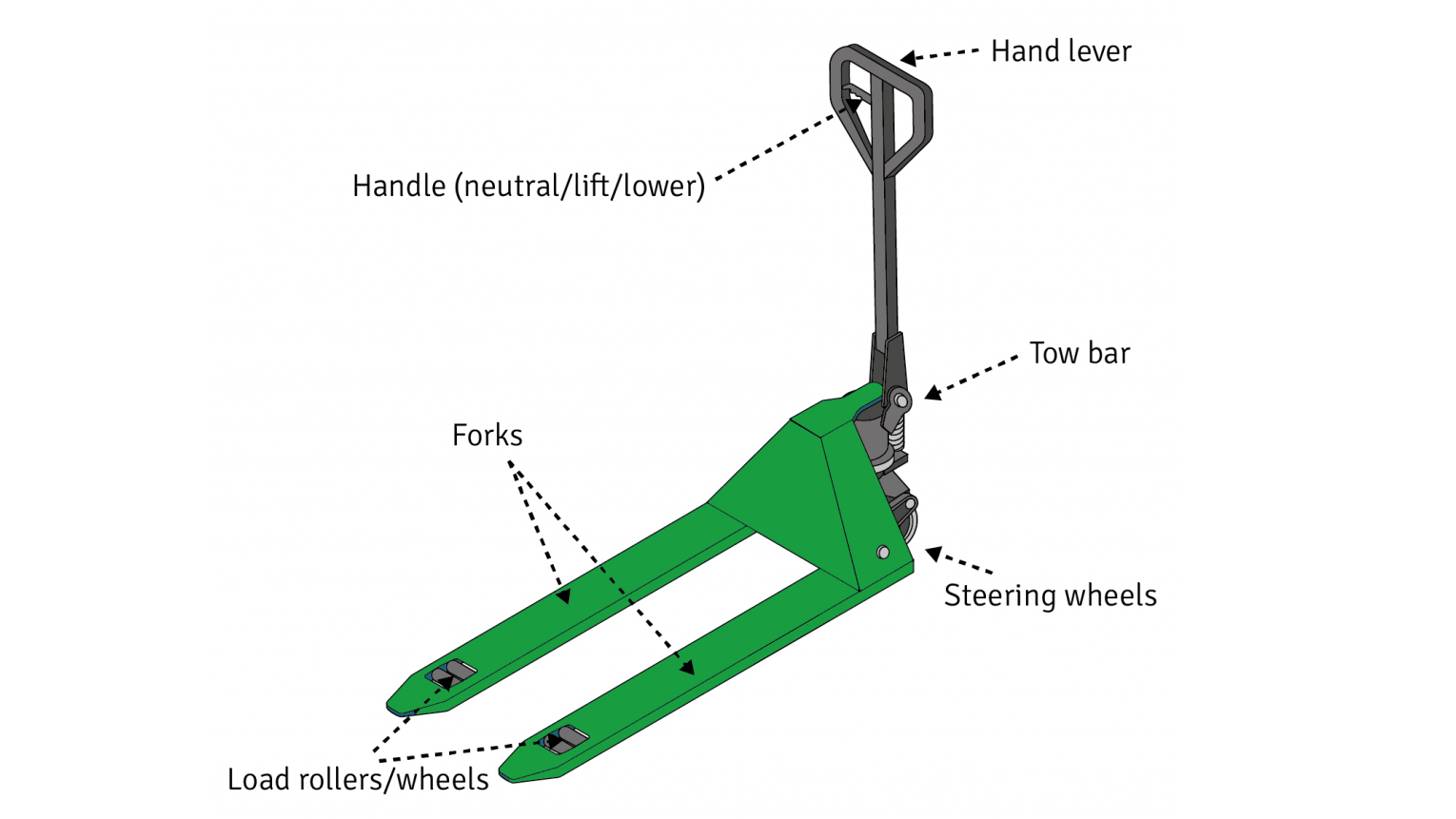
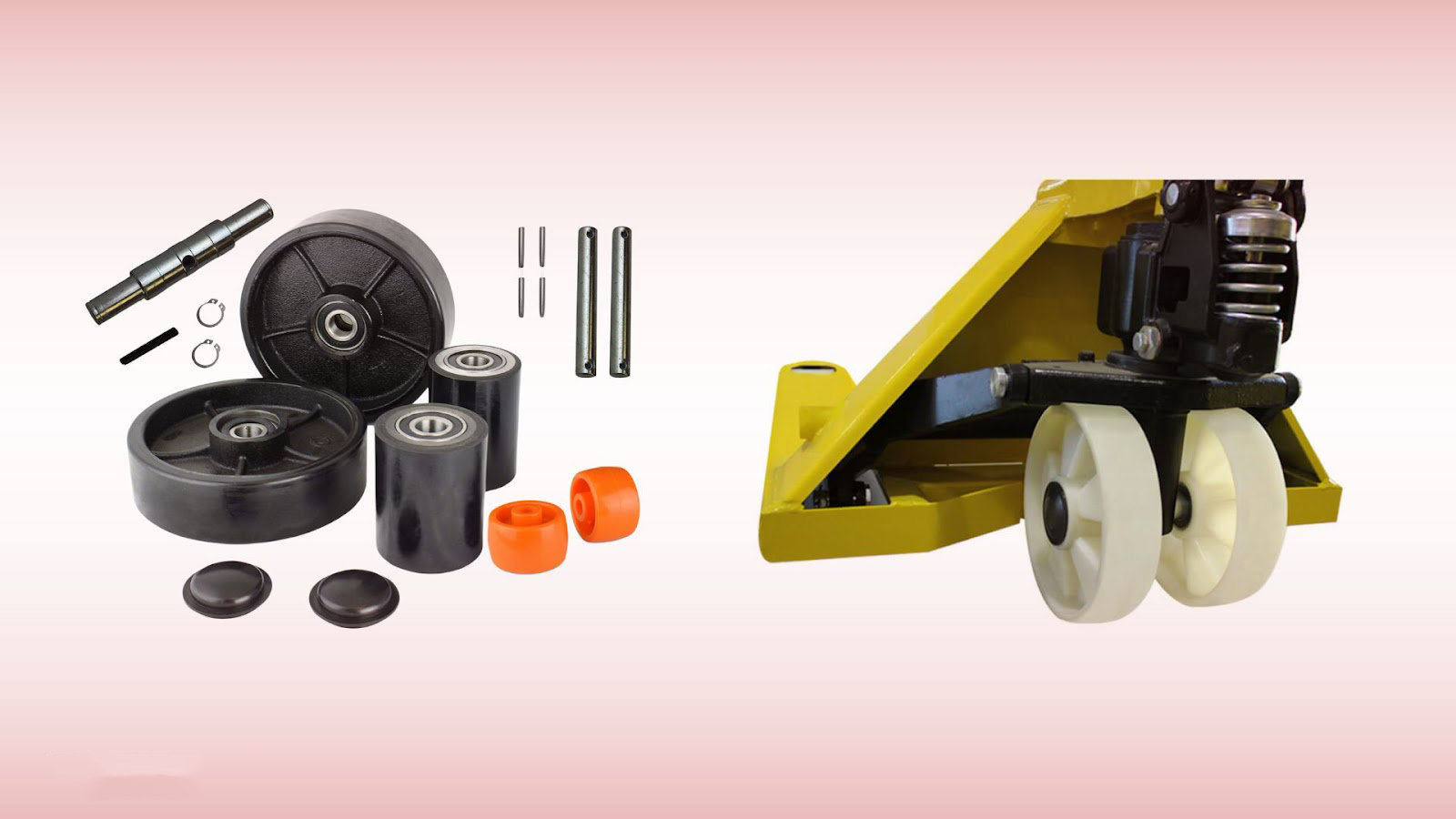
Load wheels are small wheels (usually 3 inches or less) that fit into the pallet fork slots. They do not rotate and follow the fork movement.
- Steering Wheels: These larger wheels (usually 7-8 inches) allow the pallet jack to steer and maneuver. They can be rotated to change the direction of travel.
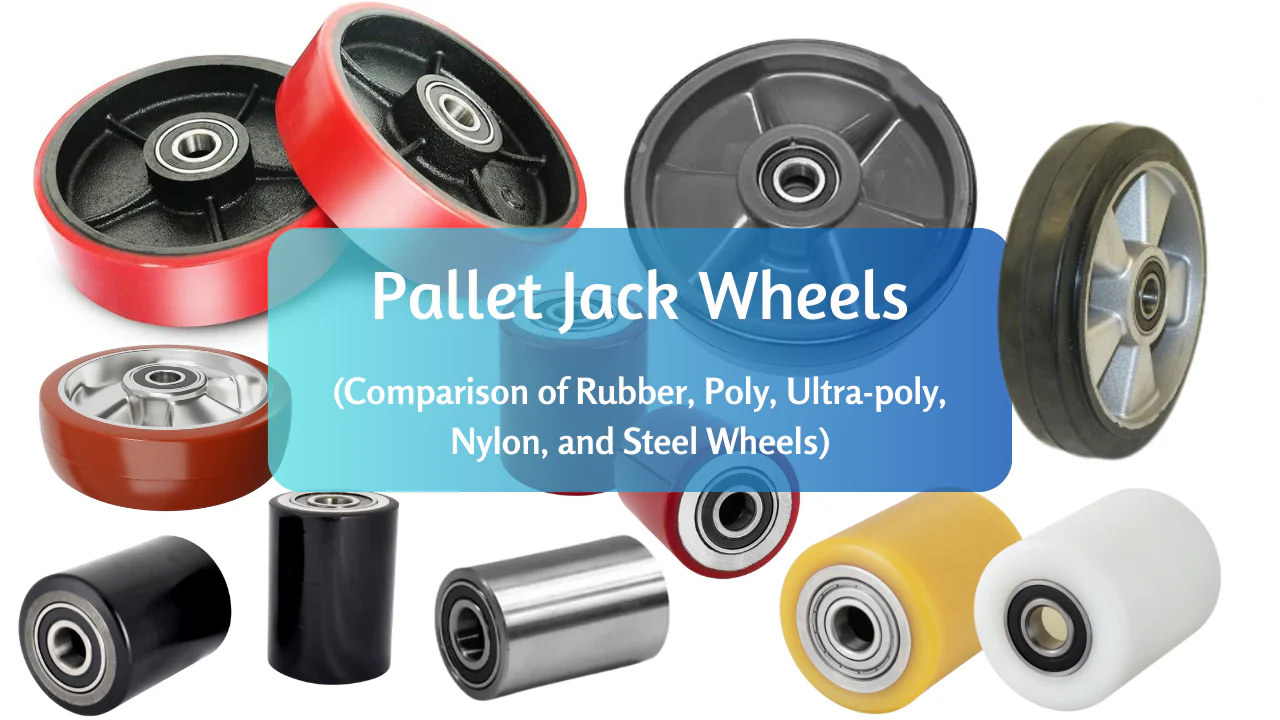
Different types of wheels can also be distinguished by their material: Nylon wheels. Polyurethane (Poly) wheels.
Choosing the Right Wheels for Your Pallet Jack
When selecting pallet handling wheels, consider the material and load capacity. Wheels are typically made of nylon, polyurethane and rubber. Each has its advantages: Nylon is affordable and durable, perfect for smooth surfaces, Polyurethane is extremely durable and puncture-resistant, quiet and protects floors, and rubber provides good grip on uneven surfaces.
By considering the operating conditions, choosing the right wheel material, maintaining the wheels properly and replacing them when needed, you can maximize the durability and performance of your pallet trucks for efficient logistics operations. Another key factor is load carrying capacity. Always choose wheels that can withstand more than the heaviest loads. This will ensure longevity and operational safety. Don't skimp on this; overloading can lead to wheel failure and operational delays.
How to maintain pallet jack wheels?
As the CEO of a leading forklift company, I cannot overstate the importance of regular maintenance for keeping your pallet jack in top working condition. Start with a thorough cleaning—use a brush or compressed air to clear away any dirt or debris from the wheels and other components. A damp cloth can then be used to wipe down the entire machine, keeping it spotless and functioning smoothly. Lubrication is also critical; consult the manufacturer’s guidelines to find the right lubricants for different parts of your pallet jack, such as the wheel bearings, pivot points, and hydraulic components. Apply these lubricants as recommended to ensure all moving parts operate effortlessly.
Routine inspections and correct usage are equally crucial for extending the lifespan of your pallet jack. Regularly inspect the wheels for signs of wear or damage, such as cracks or flat spots, and make sure the wheel diameter hasn’t decreased significantly. Always operate the pallet jack correctly by keeping the lever in the drive position to avoid unnecessary strain on the hydraulic system. Avoid overloading and using the pallet jack on inclined surfaces to prevent wheel damage. Furthermore, keep the hydraulic system in check by addressing any leaks or malfunctions promptly and replace worn-out wheels when necessary to maintain safety and efficiency. Remember, diligent maintenance not only prolongs the life of your equipment but also ensures optimal performance in your operations.
4 Tips for Choosing Pallet Jack Wheels
1:Consider Wheel Design for Heavy Loads: I recommend opting for dual-load wheels for pallet jacks that handle loads of 10,000 lbs or more. This setup uses a pair of load wheels under each fork tip, enhancing weight distribution and support, allowing the forks to manage much heavier loads effectively compared to models with single-load wheels.
2:Select Wheel Material Based on Floor Conditions: Matching the wheel material to your facility’s flooring is essential to optimize performance and reduce wear. Nylon wheels are the best choice for areas with rough surfaces, debris, or uneven floors due to their durability and ability to handle heavy loads. Conversely, polyurethane wheels are ideal for smoother, cleaner floors as they offer quiet operation and are non-marking, making them suitable for customer-facing areas or locations where floor preservation is a priority.
3:Enhance Maneuverability and Noise Control: When maneuverability is a key concern, especially in tight spaces or crowded warehouses, choose pallet jacks with larger steer wheels, typically around 7-8 inches in diameter. These larger wheels facilitate more straightforward navigation and improved handling. Additionally, the operational environment demands a quieter operation, such as in customer zones. In that case, polyurethane wheels should be used to minimize noise and prevent floor markings, unlike their nylon counterparts, which are louder and might leave scuff marks.
4:Assess Long-Term Costs and Compatibility: Although polyurethane wheels might have a higher upfront cost, they tend to last longer and require replacements less frequently, which could be cost-effective in the long run. Always ensure your chosen wheels are compatible with your specific pallet jack model. This includes checking that the size, mounting, and fitting align with your equipment to maintain functionality and safety standards.

Conclusion
Choosing and maintaining the right pallet jack wheels is essential for maximizing the durability and performance of your logistics operations. By considering the right factors and staying on top of maintenance, you can ensure your operations roll smoothly and your team works efficiently. Remember, in the world of logistics, every detail counts, and the wheels you choose can drive your success.
Stay rolling, stay efficient!
How Stainless Steel Pallet Trucks Are Revolutionizing the Food Industry: A Must-Read for Quality-Focused Buyers!
Why Are Electric Forklifts the Future of Warehouse Efficiency?