Why are pneumatic tires commonly used on outdoor forklifts? What are pneumatic tires?
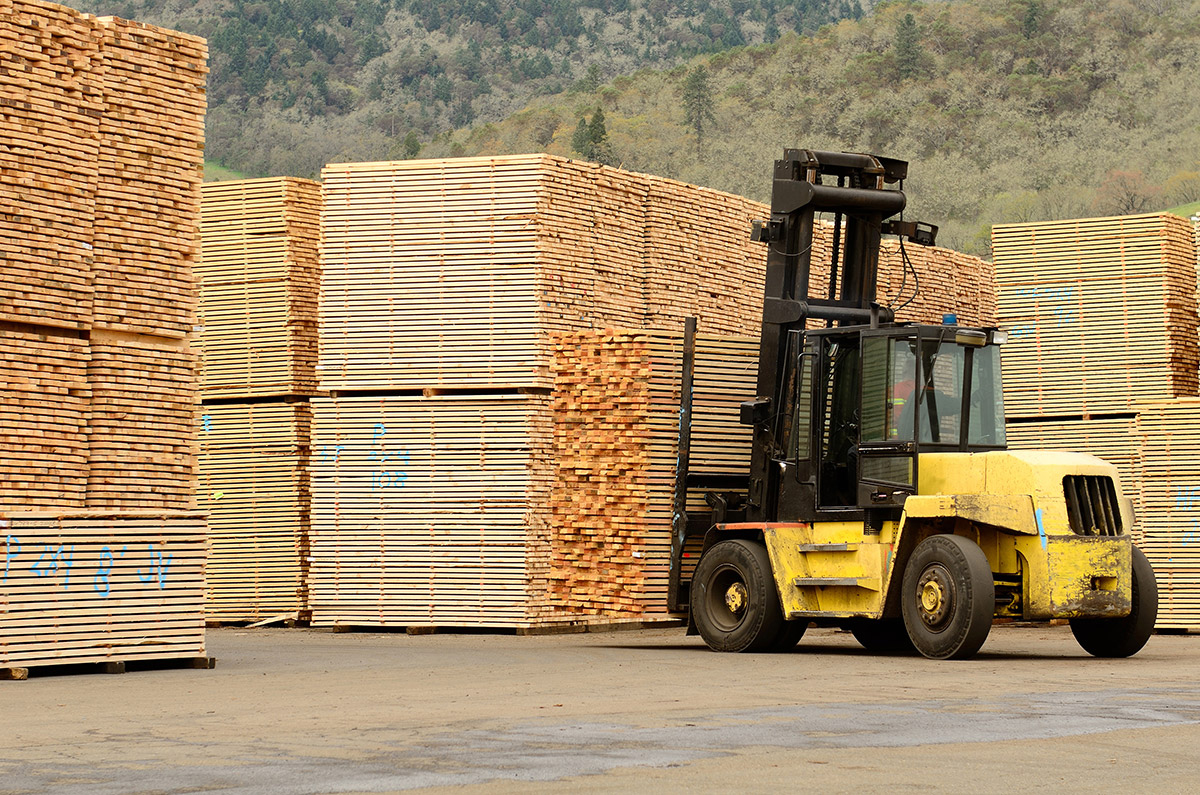
Choosing the right tire type for forklift operations is crucial, especially for handling uneven outdoor terrains. Pneumatic tires are highly recommended for such conditions due to their air-filled structure, allowing them to absorb surface irregularities and ensuring smoother and more stable operations. Their ability to provide superior traction and durability makes them an excellent choice for outdoor fleets, enhancing safety and efficiency in challenging environments. This makes pneumatic tires an essential component for optimizing outdoor material handling tasks.
Comparison Pneumatic with Cushion Tires
Pneumatic and cushion tires serve different purposes based on the operational environment. Pneumatic tires, due to their rubber treads and larger frame, are better equipped for handling uneven outdoor surfaces, offering superior ride smoothness and traction. In contrast, cushion tires, made of solid rubber wrapped around a metal band, are optimized for smooth surfaces like concrete or asphalt in indoor warehouses. They are less effective on uneven ground but provide excellent maneuverability in confined spaces.
Types of Pneumatic Tires
There are two main types of pneumatic tires: pneumatic and solid. Pneumatic tires are flexible, cushioned, and suitable for environments with irregular surfaces. Practical scenarios are generally outdoor yards and agricultural environments, with adequate pneumatic tires, allowing for comfortable and efficient driving on muddy, sandy, or rocky surfaces.
Solid pneumatic tires, while rubber-based, are denser and more puncture-resistant, making them ideal for areas with potential hazards such as sharp objects. Recycling plants and metal and glass sites, where metal scrap or glass is handled, are prone to sharp objects on the ground that can easily puncture pneumatic tires. Solid pneumatic tires are durable and reduce the need for frequent replacement.
Benefits of Using Pneumatic Tires in Outdoor Applications
Pneumatic tires offer several advantages that make them indispensable for outdoor forklift operations:
Shock Absorption: Their ability to absorb bumps and dips in the terrain protects the forklift and cargo from excessive jolts, enhancing operator comfort and safety.
Thick Treads: The deep treads on pneumatic tires provide the necessary grip to navigate loose and uneven surfaces, improving the forklift's stability and safety.
Operational Efficiency: By reducing downtime caused by tire-related issues or challenging outdoor conditions, pneumatic tires contribute to excellent overall uptime and productivity.
Conclusion
Choosing the right tire type is essential for maximizing the performance and safety of forklifts in different environments. For outdoor applications, pneumatic tires are preferred due to their durability, versatility, and ability to handle diverse and demanding surfaces. When selecting a forklift, consider the specific requirements of your operational environment to ensure you choose a model with the appropriate tires, like those offered by Toyota Forklifts, designed to meet a wide range of outdoor needs.
TOP 5 You Must Know About Forklift Pricing
What are the design considerations for the height of a forklift's gantry and lift?